meet
glenn brackett
Glenn Brackett was born into a union family in Salem, Massachusetts. Both of his parents worked for the telephone company, his father serving as a steward, and Glenn has proudly carried that union tradition forward for nearly five decades as a member of IBEW.
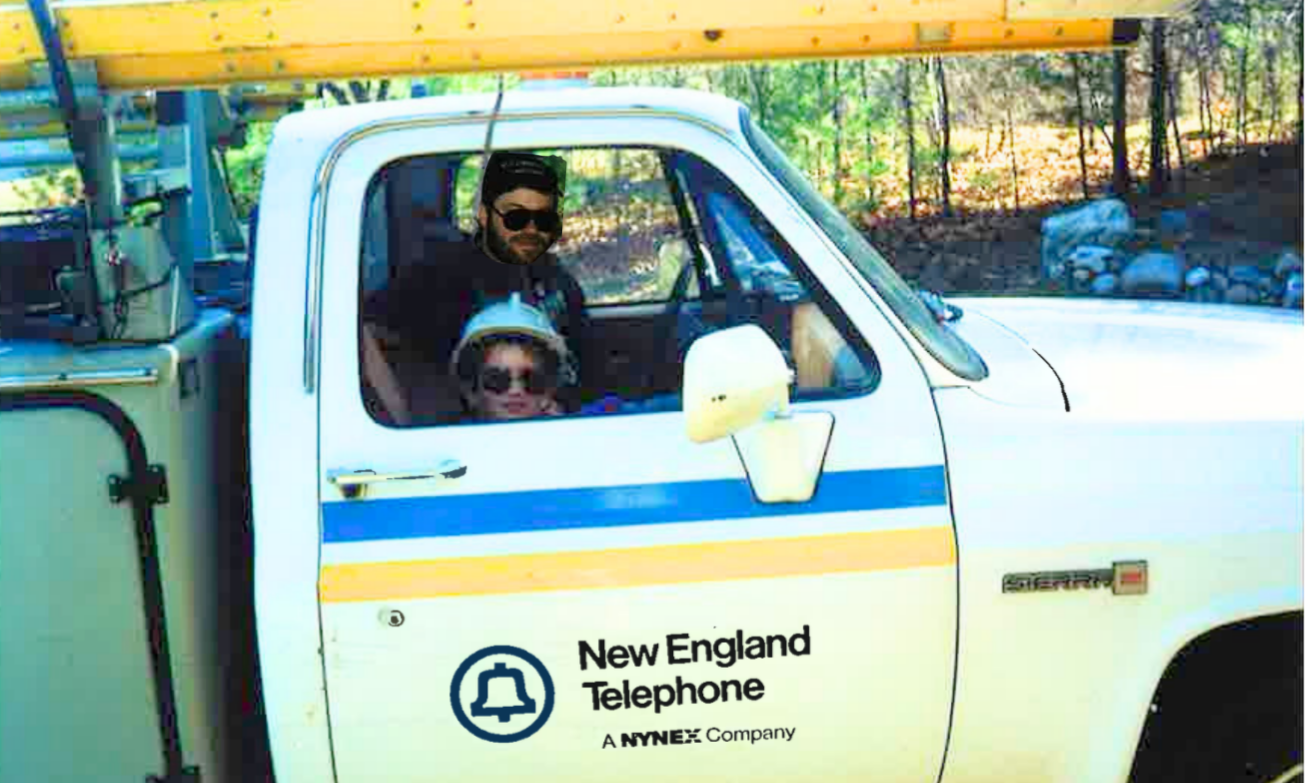
Glenn spent 23 years working with the tools as a Journeyman telephone repairman. He rose through the ranks as a shop steward and chief steward before challenging a longtime incumbent for Business Manager because he believed Local 2320’s members could do better. His fellow members agreed, electing him with approximately 70 percent of the vote. Just as he had done when he was in the tools, he tried to learn from the best of us. In his new position as Business Manager, he had the opportunity to negotiate multiple contracts alongside the legendary Myles Calvey, and the late, great Dick “Cappy” Cappiello.
In his 12 years as Business Manager, Glenn led Local 2320 through some of the most difficult challenges in the telecommunications industry. He fought Verizon’s sale of its northern New England operations to FairPoint, protecting members, their contracts and the region’s communications network. Despite the ultimate deal not being what members deserved, the effort of IBEW, led by Glenn, resulted in an additional $700,000,000 being transferred from Verizon to FairPoint. When FairPoint later entered bankruptcy, Glenn worked to put together a coalition of fellow unsecured creditors to increase the members’ leverage in Bankruptcy Court, preserving the union’s voice. He ultimately secured an extended agreement that maintained hard-won protections and delivered an additional raise.
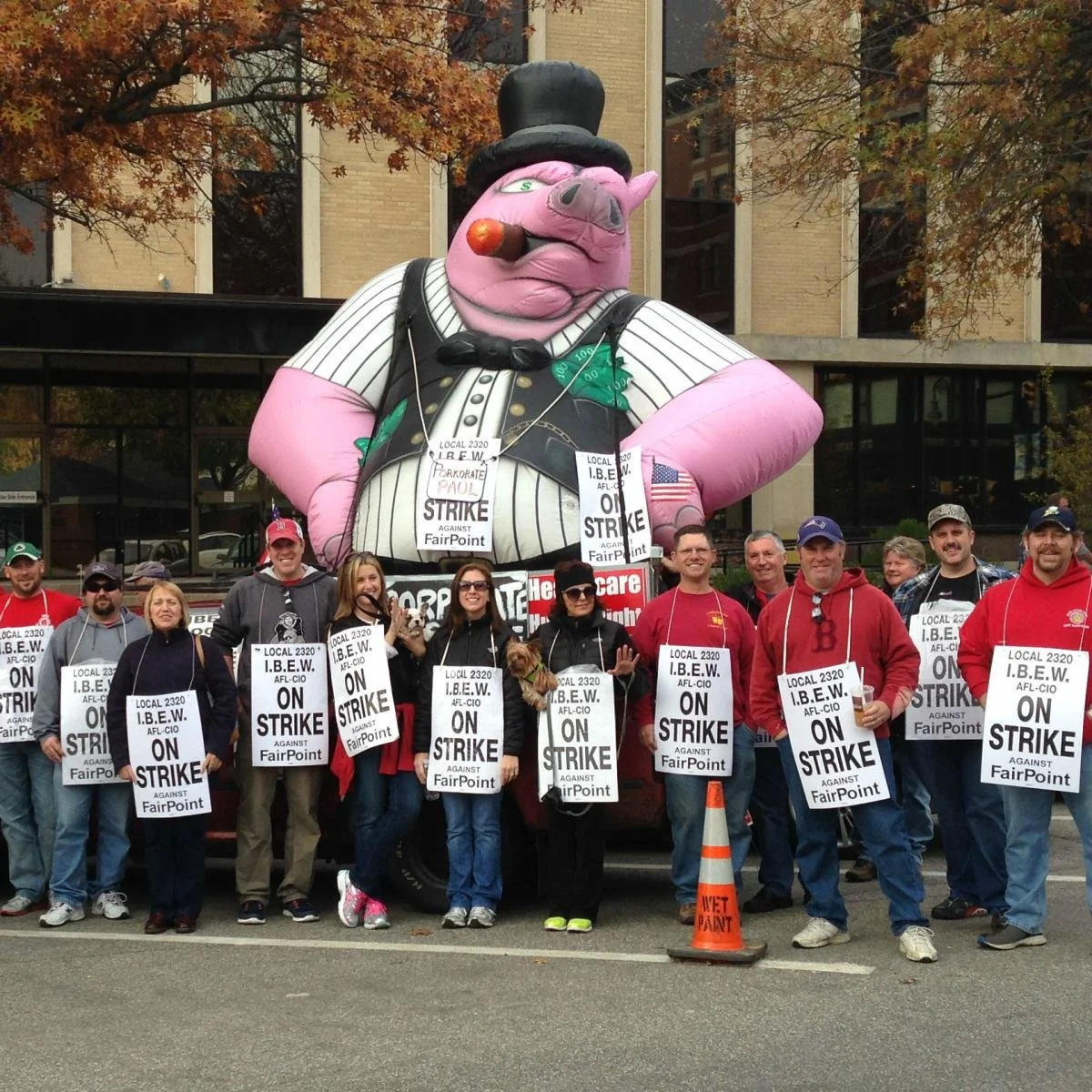
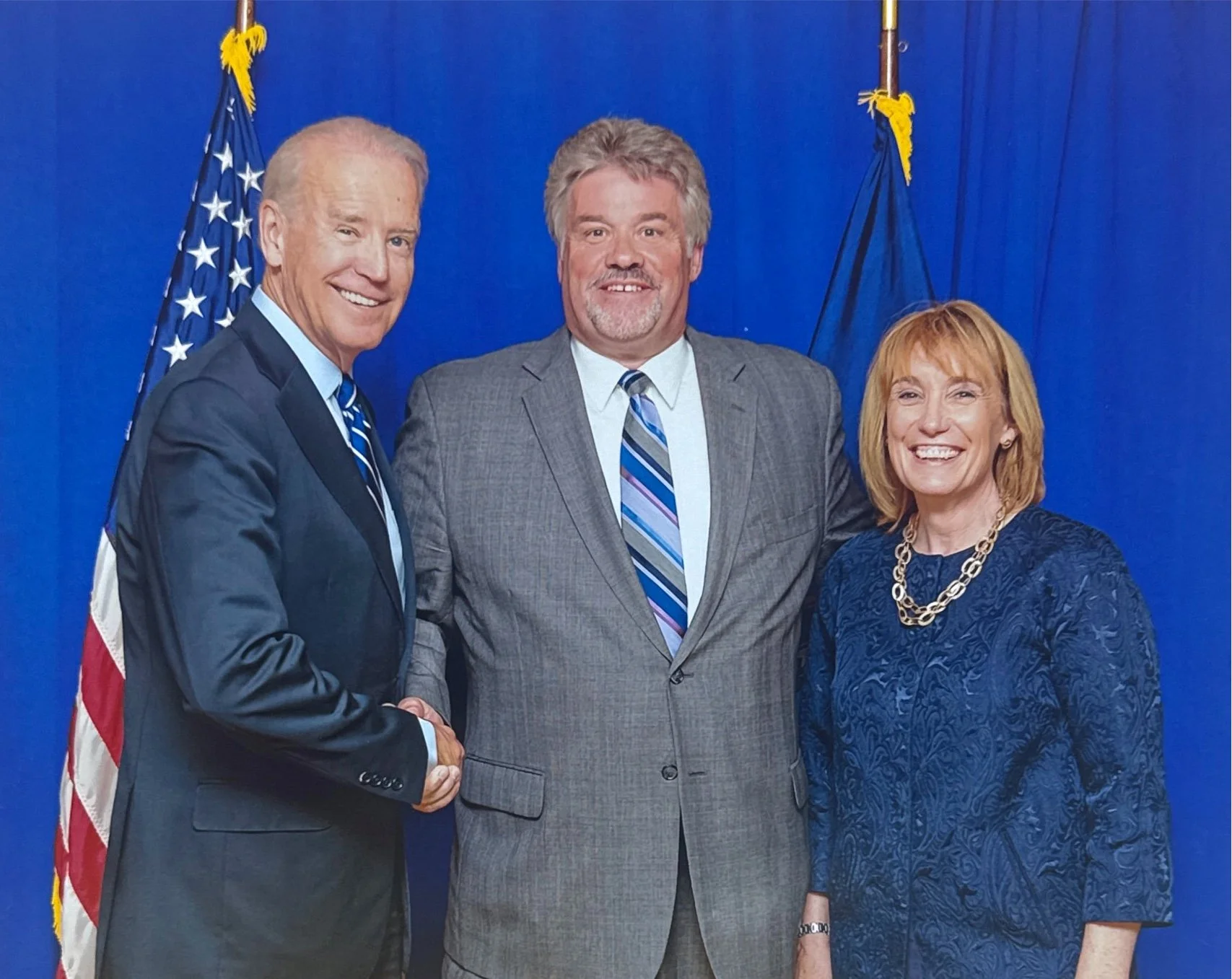
The greatest test came in 2014, when FairPoint hired an out-of-state union-busting firm for negotiations and sought to dismantle decades of negotiated benefits and job security. Glenn helped prepare the membership and led workers through the historic 131-day FairPoint strike. The strike ended with members returning to work under a modified agreement that protected most essential benefits and job-security provisions. During this time, New Hampshire Governor Maggie Hassan (now U.S. Senator Hassan) appointed Glenn to the Employment Security Advisory Council. The relationships he built on the Council resulted in IBEW 2320 members receiving unemployment for the entirety of their time on strike. Never in New Hampshire history had members been paid to be on strike.
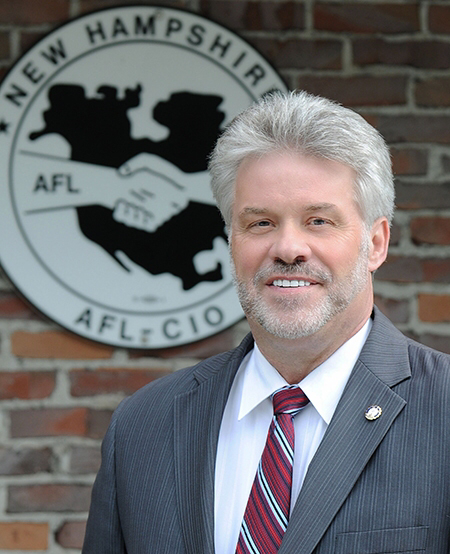
In 2015, Glenn was solicited by unions within the New Hampshire Building and Construction Trades Council, to run for President of the New Hampshire AFL-CIO. Glenn ran against and defeated a twenty-six-year incumbent to become the President. Over the past decade, he has helped build a stronger and more unified labor movement by working collaboratively with Building Trades unions, public-sector unions, first responders, law enforcement, elected officials, responsible contractors and community partners. His approach is straightforward: listen to affiliates, bring people together and focus on what produces real results for members. Building bridges is far more effective than burning them.
That coalition-building has mattered in a state where, during much of Glenn’s tenure, Republicans controlled the governor’s office, the Executive Council and both chambers of the Legislature. Rather than writing off lawmakers because of their party, Glenn has built durable relationships with pro-union Democrats and Republicans who understand the value that unions bring to workers, employers and New Hampshire’s economy.
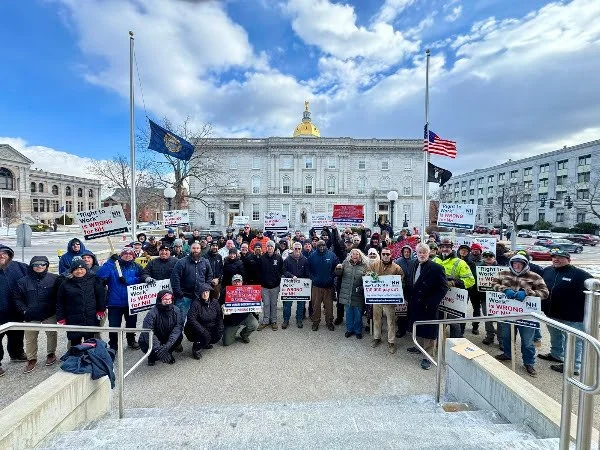
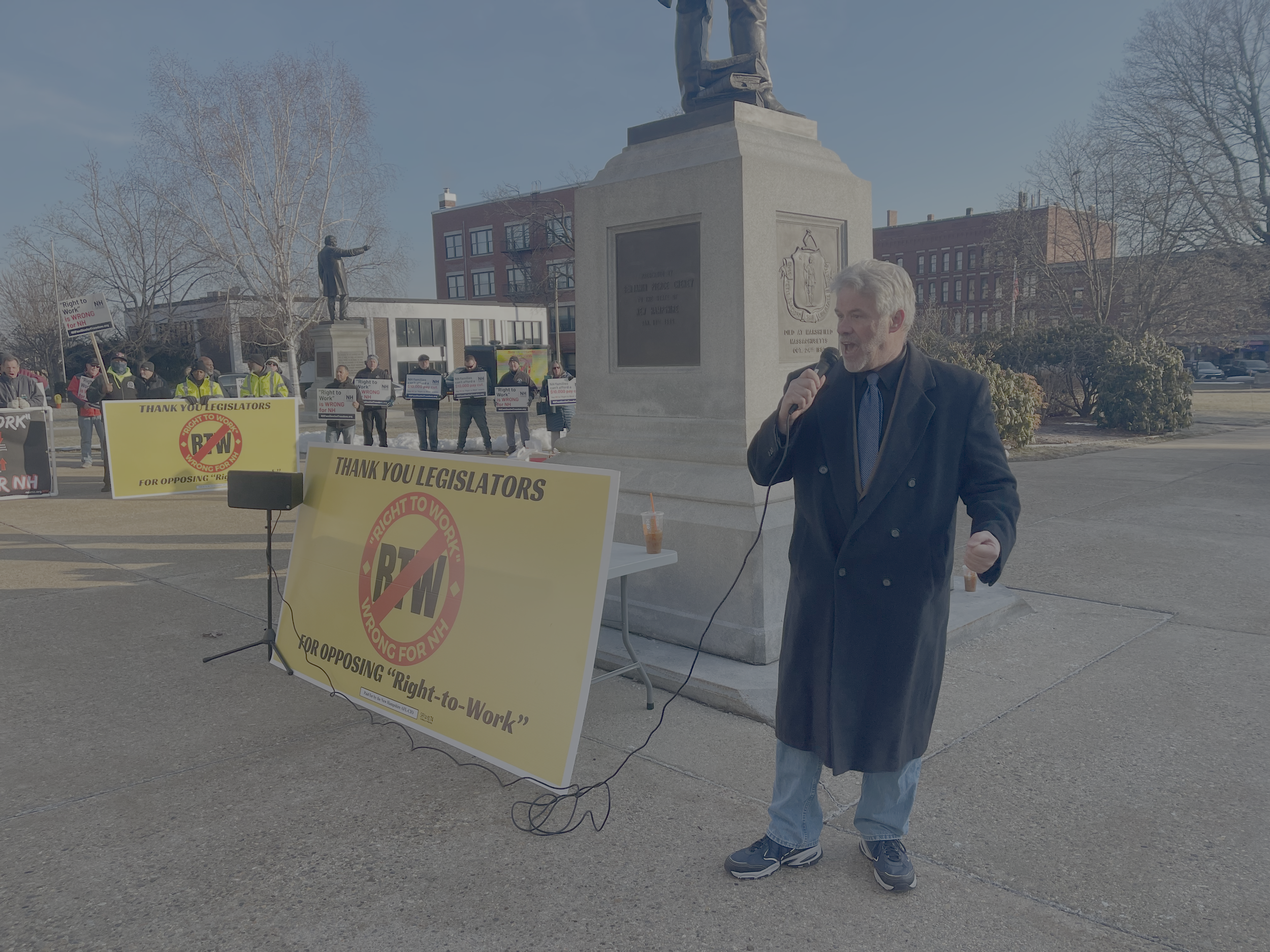
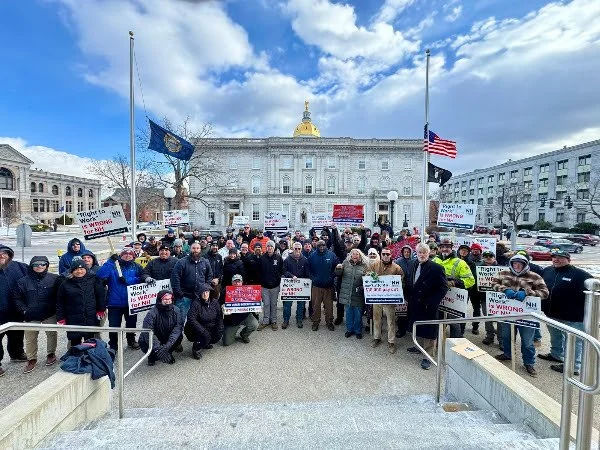
Under Glenn’s leadership, organized labor has helped defeat five separate right-to-work efforts. The 2025 defeat of “Right-to-Work” came despite the largest Republican House majority in decades (a 42-vote deficit). Glenn credited the IBEW locals of the 2nd District with answering the call and securing victory. After the final votes were tallied, labor carried the day by 20 votes and due to the use of a parliamentary tactic, ensured “Right-to-Work” could not be introduced into the New Hampshire legislature until after the next election.
Glenn has also made clear that an attack on one union is an attack on every union. He has stood shoulder to shoulder with the Building Trades against efforts to weaken union construction trades, and with public sector union members throughout layoffs, government shutdowns, and reckless budget cutting.
From the tools to the picket line, to the State House, Glenn has proven himself as a skilled negotiator, battle-tested leader, and bipartisan coalition builder. He already knows how to support, unite, and mobilize members—because he has done it.